
The Rann of Kutch isn’t just a destination — it’s a dreamscape. Located in Gujarat’s far western region, it’s one of the largest salt deserts in the world. For most of the year, it remains a dry, white canvas of salt crystals shimmering under the sun. But when you arrive in winter, especially during the Rann Utsav, it transforms into a surreal playground of color, culture, and endless skies.
Driving across the vast expanse, the horizon seems to stretch forever. The silence is almost sacred. No crowds, no chaos — just pure space, and a strange peace you’ll feel in your bones.

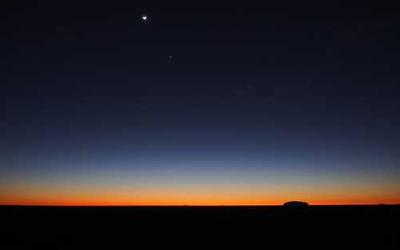
The real magic of the Rann begins at sunset. As the sun dips low, it casts long golden shadows across the white desert. The salt sparkles, and the sky explodes into hues of orange, pink, and purple. It's as if the earth and sky are trying to outshine each other.
Photographers, dreamers, and travelers all fall silent — lost in the moment. Whether you're sitting on a camel cart or just barefoot on the salt bed, the feeling is the same: this is nature’s art at its most minimal and majestic.

From November to February, the Rann hosts the famous Rann Utsav — a festival of color, dance, and tradition. Rows of white tents spring up in the desert, offering luxury camping, folk performances, and local cuisine under starry skies.
During the day, you can explore handcrafted textiles, ride ATVs or hot-air balloons, and watch tribal dances from Kutch’s many communities. At night, the desert pulses with the beat of dhols and the scent of Gujarati thalis. It’s an experience that blends adventure and heritage in one unforgettable celebration.

Beyond the white salt lies the artistic heartbeat of Kutch. Villages like Bhujodi, Nirona, and Hodka are home to some of India’s finest artisans. From Rogan painting to Ajrakh block printing, from mirror work to bell making — every art form here carries generations of pride and precision.
Visitors are often welcomed into workshops where families demonstrate their craft with warmth and storytelling. Buying a shawl here isn’t just a purchase — it’s a connection to a living tradition. And every handmade souvenir you take home is a piece of the desert’s soul.

Despite its barren appearance, the Rann is home to rare wildlife. The Little Rann of Kutch, a separate salt flat nearby, shelters the endangered Indian wild ass in the Wild Ass Sanctuary. Flamingos, pelicans, and cranes visit during winter, turning salty wetlands into birdwatchers’ paradise.
The contrast of vibrant life in such a harsh landscape is poetic. And if you're lucky, you might catch the sight of desert foxes or blue bulls navigating the salt-crusted earth. It’s yet another reminder that the Rann is far from empty — it’s alive in subtle, resilient ways.

Your journey often begins in Bhuj, the cultural capital of Kutch. A charming town with royal palaces, historic temples, and bustling bazaars, Bhuj is both a launchpad and a standalone destination.
Visit the Aina Mahal (Palace of Mirrors), the Kutch Museum, and stroll through narrow lanes filled with local sweets and silver jewelry. Bhuj also offers easy access to Mandvi Beach and the architectural beauty of Vijay Vilas Palace. The deeper you explore, the more layers of Gujarat’s heritage unfold.

Long after you’ve returned home, the Rann lingers in your mind. It’s not just the visuals — though unforgettable — but the feeling of stillness, openness, and silence. It slows you down in the best possible way.
Whether you came for the sunsets, the crafts, or the festivals, you leave with more than memories. You carry the calm, the kindness of strangers, and the grandeur of a place where the sky touches salt. The Rann doesn’t shout — it whispers. And once you hear it, you never forget.
