Street Art of Delhi: A Vivid Urban Journey Through Murals, Political Graffiti, Hidden Alleys, Hipster Hubs, Cultural Walls, and the Loud, Creative Pulse of India’s Capital Streets
By Clickzter Team | Urban Trails | April 2, 2025
Lodhi Art District: Delhi’s Open-Air Canvas
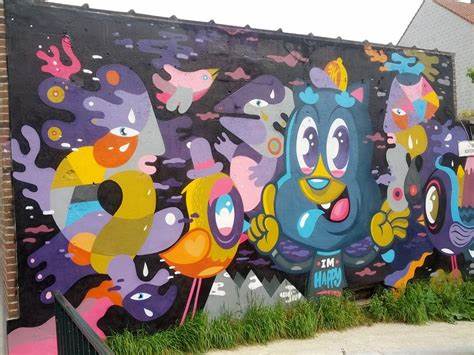
The Lodhi Art District isn’t just a place—it’s a movement. Located in the heart of South Delhi, this residential area has been transformed into India’s first public art district. As you walk or cycle down the lanes, the walls come alive with massive murals created by artists from around the world. From political commentary to folk art reimagined, each wall tells a story. There’s a sense of surprise around every corner—a tiger peeking out from a wall, a pair of eyes that follow you, or a vibrant portrait of a woman in traditional attire painted five stories tall. The best part? There are no entry fees, no lines, no glass barriers. Just art and air. Locals pass by on scooters, students pose for photos, and artists sometimes still add new strokes. Lodhi’s streets breathe creativity.

Shahpur Jat: Graffiti Meets Indie Culture
Tucked between ruins and designer boutiques, Shahpur Jat is where street art meets hipster vibes. It’s not as curated as Lodhi, but that’s what makes it real. You’ll find hand-painted signs, abstract graffiti, and stenciled slogans sprawled across broken walls and forgotten alleys. Every wall feels like a conversation—sometimes angry, sometimes hopeful, always expressive. You walk into a vintage thrift store and see spray-painted poetry on the staircase. You sip a cold coffee in a rooftop café while a mural of a bird in flight stares back at you. Shahpur Jat’s art isn’t always polished, but it’s raw, urban, and deeply personal. It’s Delhi speaking in whispers and shouts.

Connaught Place: Between Commerce and Color
At first glance, Connaught Place might not seem like a street art hotspot. But tucked into the backs of blocks and service lanes, you’ll find art that surprises you. There’s a wall with Gandhiji’s face made entirely of bolts. Another corner where a staircase glows with neon quotes from Indian poets. The juxtaposition of white colonial pillars and rebellious street art makes this space unique. In a place known for finance and fashion, the sudden burst of color feels like a rebellion. It reminds you that art can find space even in the most structured surroundings. You don’t expect it—but that’s what makes it so good.

Khirki Extension: Rebel Walls and Untold Stories
Khirki Extension, near Saket, is a melting pot of migrants, cultures, and stories. It’s also home to some of Delhi’s most socially conscious street art. NGOs and local artists have painted messages of inclusivity, gender equality, and cultural identity across walls that were once blank. The art here isn’t just for aesthetics—it’s for awareness. A mural of a woman with a megaphone screams empowerment. A child’s face emerges from a cracked wall, eyes wide and hopeful. It’s not touristy. It’s honest. And that’s the magic. Here, the streets don’t just show art. They speak truth.

Hauz Khas Village: Hip, Boho, and Color-Washed
Hauz Khas has long been a creative hub—but beyond its bars and boutiques lies a quieter, art-streaked side. Walk through the side lanes and you’ll find old doors with pastel graffiti, stencil art on electric boxes, and stairways painted in rainbows. The ruined fort nearby also has hidden corners where artists leave behind their marks. The vibe is playful, almost whimsical. Couples take selfies, musicians busk by the lake, and street art becomes part of everyday life here. Hauz Khas doesn’t push its art in your face. It lets you stumble upon it, like a secret shared between friends.

The Artists Behind the Walls
Behind every mural in Delhi is an artist with a story. Some are locals, trained in fine arts. Others are travelers, leaving a piece of themselves behind. Many of the murals in Lodhi were created as part of the St+art India Foundation, which brings together artists from across the world. You learn about Inkbrushnme, who painted urban goddesses. Or Harsh Raman, who fuses mythology with modern design. Some murals are made by school kids. Others by international names. But each one has a message, a mood, and a heartbeat. Once you know the people behind the paint, the walls don’t just look good—they feel alive.

Why Delhi’s Walls Matter
In a city of chaos, bureaucracy, and noise, street art feels like a breath of fresh air. It breaks monotony. It sparks thought. It invites dialogue. You don’t need a ticket or an art degree to experience it. You just need to look around. From Lodhi to Khirki, Shahpur to Hauz Khas, the art on Delhi’s walls brings together communities, tourists, and creators. It makes you pause, reflect, maybe even smile. And in a world obsessed with speed, that pause—that moment—is everything. Delhi’s street art is not just color. It’s culture. And it’s still growing.

Tags: Delhi, street art, India travel, murals, graffiti, urban culture, creative spaces, hipster areas, Hauz Khas, Lodhi Art District
← Back to All Blogs
